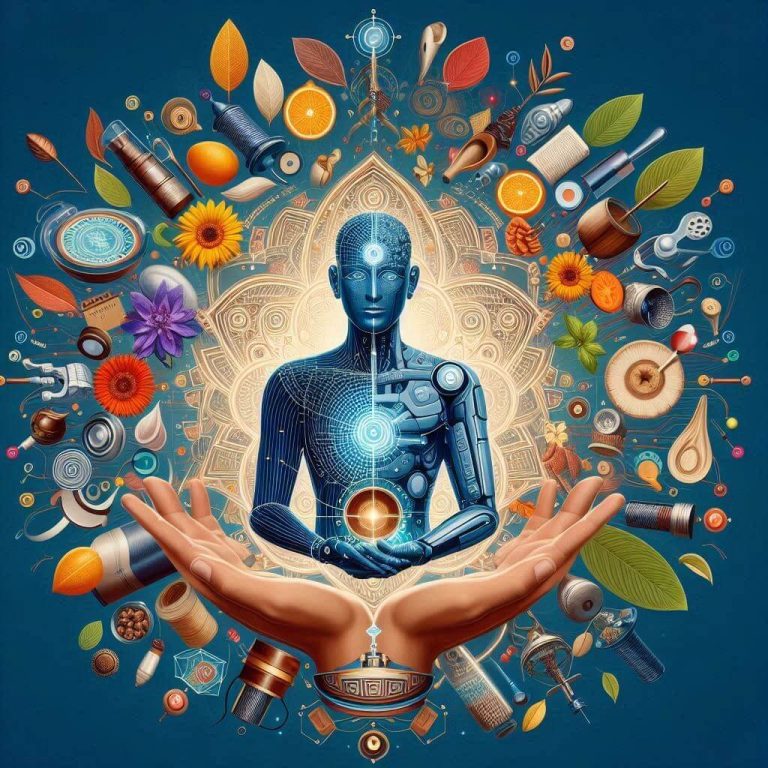
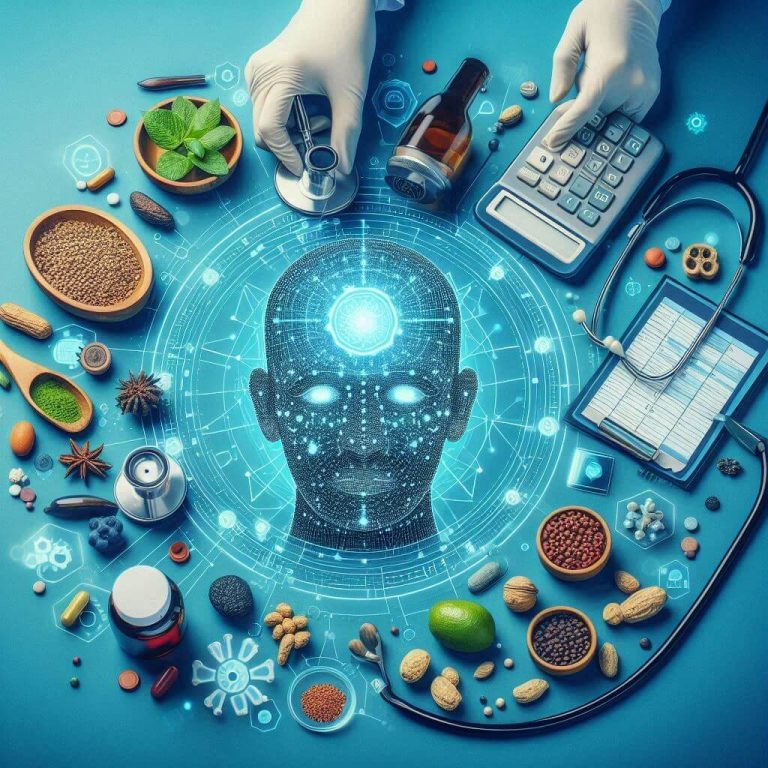
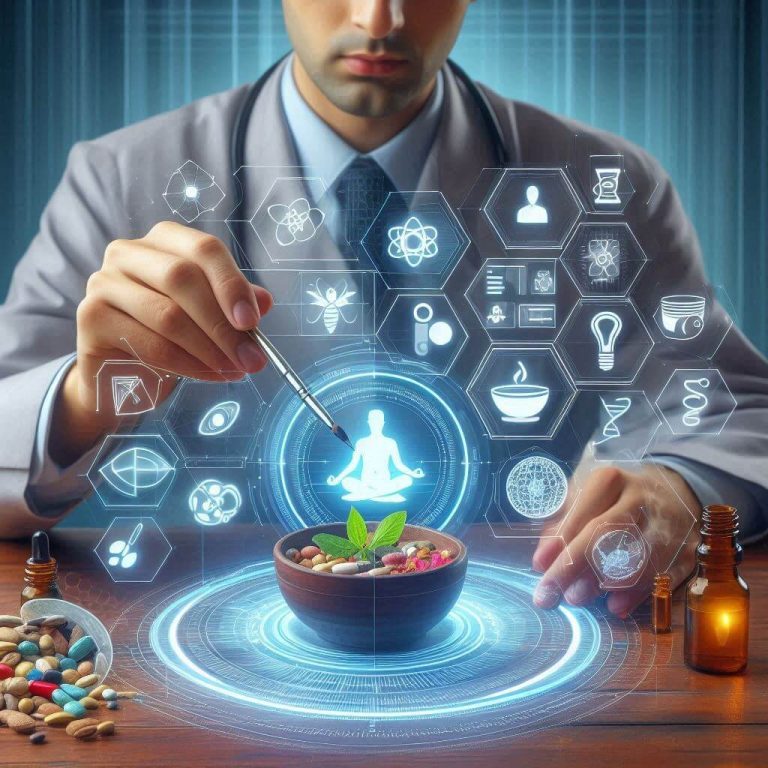
Ayurveda, the ancient system of holistic medicine from India, is renowned for its comprehensive approach to health and wellness. Central to Ayurvedic practice is the concept of doshas—Vata, Pitta, and Kapha—each representing a unique combination of elements and qualities that affect a person’s physical and mental well-being. Traditionally, diagnosing dosha imbalances has been a nuanced process, reliant on the practitioner’s experience and intuition. However, machine learning (ML) is now transforming this field by significantly enhancing diagnostic accuracy and personalizing treatment plans.
The Role of Machine Learning in Ayurveda Diagnostics
Machine learning, a branch of artificial intelligence, involves algorithms that learn from data and make predictions based on patterns identified within it. In the context of Ayurveda, ML is used to process and analyze extensive patient data, leading to more precise dosha diagnoses and tailored treatment plans. Here’s how machine learning is practically applied to enhance Ayurvedic diagnostics:
1. Data-Driven Dosha Analysis
Traditionally, diagnosing dosha imbalances required a thorough assessment of patient symptoms, lifestyle, and health history, which could vary based on practitioner expertise. Machine learning algorithms revolutionize this by analyzing large datasets of patient information to identify patterns and correlations. For example, Ayushakti, a leading Ayurvedic health platform, uses an AI-driven diagnostic tool that processes patient symptoms and historical health data to identify dosha imbalances with greater accuracy. This tool can pinpoint subtle patterns in symptoms that might not be immediately evident to practitioners, resulting in more consistent and reliable diagnoses.
2. Predictive Analytics for Early Intervention
Machine learning excels at predictive analytics, making it possible to foresee potential health issues before they become severe. By integrating diverse data sources, such as electronic health records, lifestyle data, and genetic information, ML models can predict dosha imbalances and associated health risks early on. For instance, NirogStreet, an online Ayurvedic platform, leverages ML algorithms to analyze comprehensive patient profiles and predict potential imbalances. This proactive approach allows practitioners to recommend preventive measures and personalized treatment plans, potentially averting more serious health complications.
3. Continuous Learning and Improvement
One of the standout features of machine learning is its ability to continually learn and improve from new data. As more patient data is collected, ML models refine their algorithms to enhance diagnostic accuracy. This means that over time, the insights generated by these systems become more precise. For example, Kashaya, an Ayurvedic research startup, employs machine learning to analyze outcomes from clinical trials and historical treatment records. This ongoing learning process helps refine treatment recommendations, optimizing the efficacy of Ayurvedic remedies and therapies.
4. Real-World Examples and Case Studies
Several real-world applications illustrate the practical benefits of machine learning in Ayurveda. Ayushakti has developed an AI-based diagnostic tool that combines patient-reported symptoms with historical data to provide more accurate dosha assessments and tailored treatment suggestions. Similarly, NirogStreet uses machine learning to recommend personalized herbal remedies and lifestyle adjustments based on predictive analytics, significantly improving patient care. These innovations not only enhance diagnostic precision but also streamline the treatment process, making Ayurveda more accessible and effective in modern health care.
Conclusion
The integration of machine learning into Ayurvedic diagnostics represents a significant leap forward in holistic health care. By leveraging data-driven insights, predictive analytics, and continuous learning, machine learning enhances the accuracy of dosha diagnoses and personalizes treatment plans. This fusion of ancient wisdom with cutting-edge technology promises to advance Ayurveda, making it more precise and relevant in today’s health care landscape.