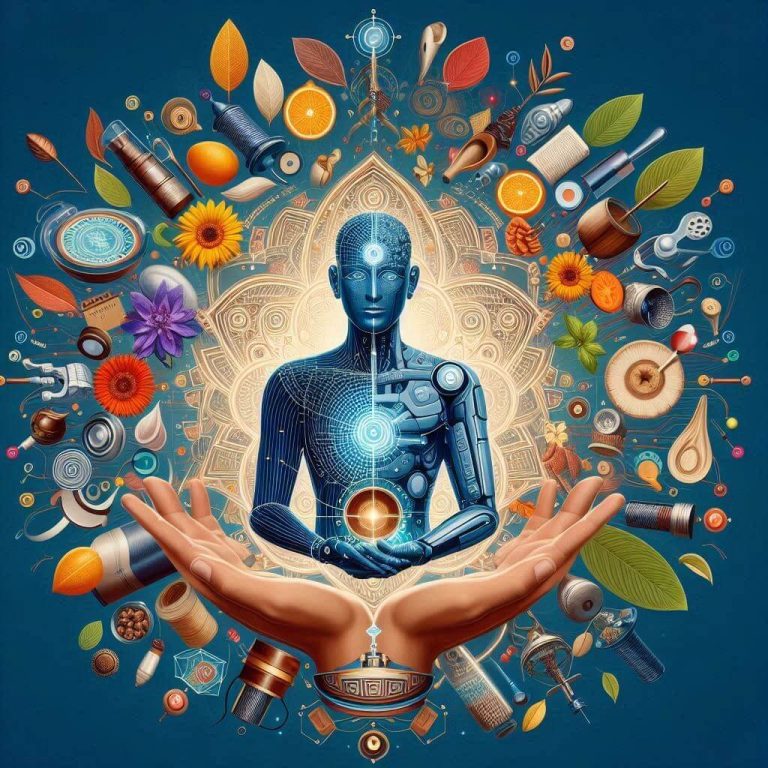
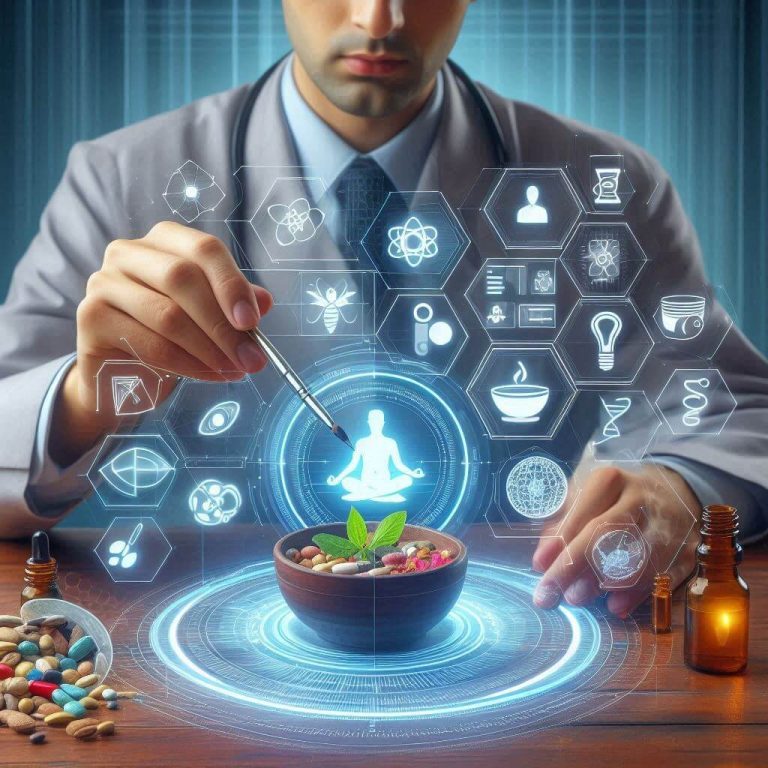
Machine learning (ML) is making significant strides in enhancing research and development (R&D) within the field of Ayurvedic medicine. Traditionally, developing and optimizing Ayurvedic treatments involved extensive experimentation and slow, labor-intensive processes. Today, ML accelerates this process by analyzing large datasets from clinical trials and historical treatment records, leading to faster innovation and more effective formulations. Let’s explore how ML is transforming Ayurvedic R&D, with a particular focus on the practical case study of Kashaya, a pioneering startup in this space.
The Role of Machine Learning in Ayurvedic R&D
Machine learning algorithms excel at processing and analyzing vast amounts of data to identify patterns and correlations that would be challenging to discern manually. In the context of Ayurveda, ML can streamline research by analyzing clinical trial results, historical treatment data, and various formulations to evaluate the efficacy of Ayurvedic herbs and treatments.
1. Analyzing Clinical Trials Data
One of the primary applications of ML in Ayurvedic R&D is the analysis of clinical trials data. Traditional methods of evaluating treatment efficacy often involve lengthy periods of data collection and analysis. ML accelerates this process by quickly sifting through large datasets to identify patterns and trends. For instance, Kashaya, an innovative startup in Ayurvedic research, utilizes ML to analyze data from numerous clinical trials involving Ayurvedic herbs and formulations. By employing algorithms that detect patterns and correlations in treatment outcomes, Kashaya can swiftly identify which herbs and formulations are most effective for specific conditions.
2. Optimizing Existing Formulations
In addition to analyzing new treatment data, ML is instrumental in optimizing existing Ayurvedic formulations. By examining historical treatment records and patient feedback, ML models can identify which formulations yield the best results and why. For example, Kashaya’s ML models analyze feedback from thousands of patients who have used various Ayurvedic products. This analysis helps in refining existing formulations by highlighting which ingredients are most effective and in what combinations. As a result, the startup can improve existing products and ensure that they meet the highest efficacy standards.
3. Accelerating New Treatment Development
The development of new Ayurvedic treatments traditionally requires extensive research and testing. ML accelerates this process by predicting the potential effectiveness of new formulations before they undergo clinical trials. Kashaya’s platform uses predictive analytics to model how new herbal combinations might interact and their potential therapeutic effects. This approach significantly reduces the time and cost associated with developing new treatments, allowing for more rapid innovation and a quicker response to emerging health trends.
4. Practical Case Study: Kashaya’s Innovative Approach
Kashaya is a prime example of how ML is revolutionizing Ayurvedic research and development. The startup leverages advanced AI algorithms to analyze extensive datasets from clinical trials and historical records. For instance, Kashaya has used ML to evaluate the efficacy of a range of Ayurvedic herbs, such as Ashwagandha, Turmeric, and Brahmi. By analyzing clinical data on how these herbs affect various health conditions, Kashaya has been able to refine existing formulations and develop new, more effective products.
One notable project involved using ML to analyze data from a clinical trial on Turmeric’s impact on inflammatory conditions. The ML model identified specific compounds within Turmeric that were particularly effective, leading to the development of a new formulation that enhanced the herb’s anti-inflammatory properties. This new formulation was subsequently tested and found to offer improved results, demonstrating how ML can expedite the process of developing more effective Ayurvedic treatments.
Conclusion
Machine learning is transforming Ayurvedic research and development by enhancing the analysis of clinical trials and historical treatment data. Through practical applications like those seen with Kashaya, ML accelerates the identification of effective treatments, optimizes existing formulations, and facilitates the rapid development of new Ayurvedic products. This integration of technology into traditional practices not only speeds up innovation but also ensures that Ayurvedic treatments are more effective and tailored to contemporary health needs.